
Rook Island is a small city ringed by Cape Rowdy. Besides its non-typical governmental history, the island is most well known for the levee system that keeps the ‘island’ afloat and its nightlife, an indulgence long lost in much of the country. It is one of two cities in the nation that people may freely move into and out of, whether for a day or for a lifetime. Another landmark, the Rook Island Prison, the largest penitentiary in the country, is on nearby Daughter Island, which is connected to Rook by a thin land bridge.
The island is prosperous, and its people tend to be well off financially. Local government continues to be by those elected to the council. Their public favor is maintained by a non-paternalistic approach. Times in history, when the council has tried to seize greater control and regulate the island, have been disastrous. The crime rate is low, but the cost to live in Rook is somewhat high. The employment prospects are average. There is no public transit, but the island is small enough that most have no trouble walking.
The city density is thick, and there is little new construction so much as renovation and renewal. Roads and pedestrian byways are constantly maintained. The street conditions of Rook are in nearly all districts pristine. The population is disproportionately large for the size of the city, and the maintenance program keeps ahead of the destructive pressures of tightly packed people.
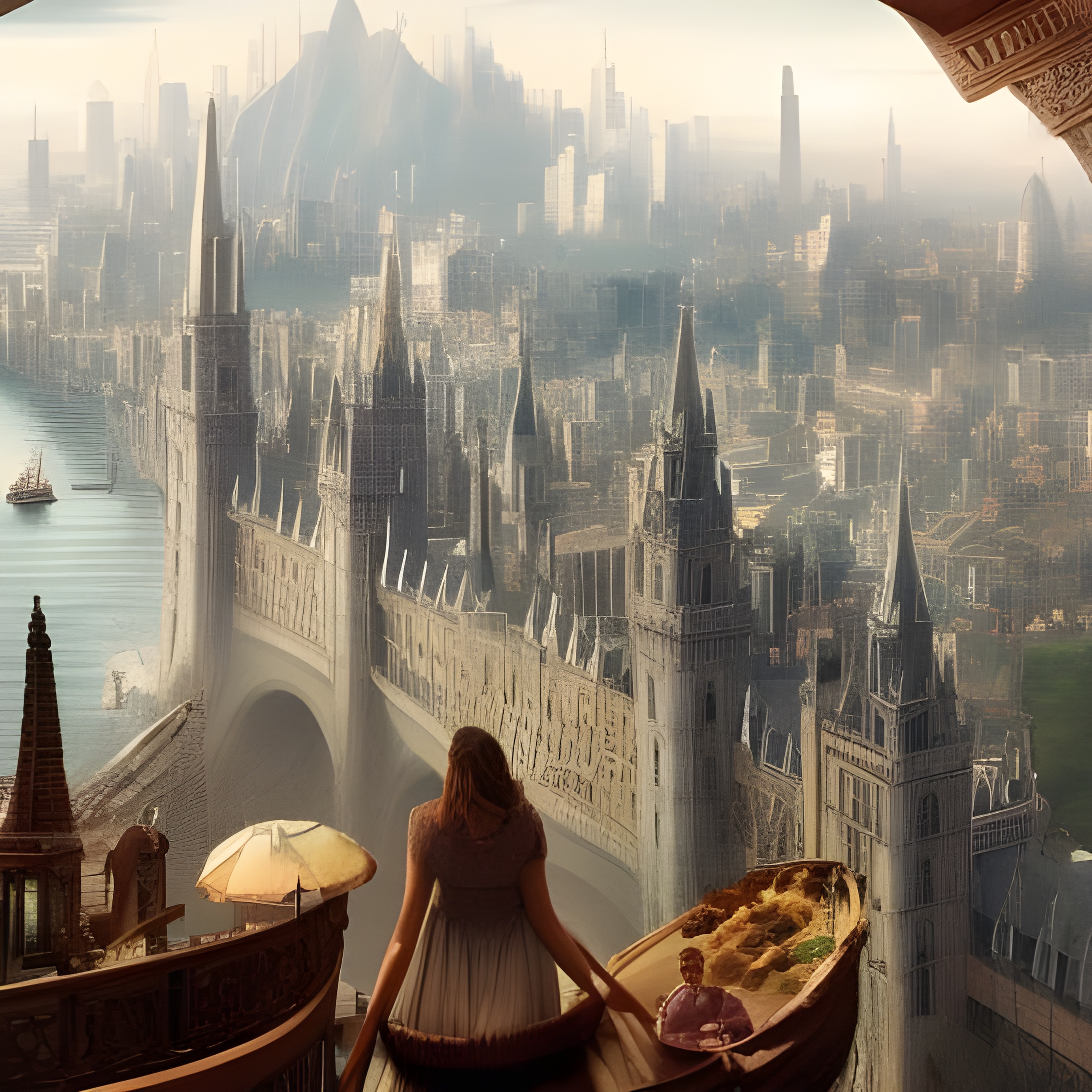
Before the Good Revolution, the island was technically the seat of House Faust however, during the Mechanical Revolution, the family drafted a constitution that divided the vested power of House Faust among the ten members of what the family named the Company Council. The majority of the power shares were retained by House Faust in times when vote ties needed to be broken. The council members were decided by vote and tended to come from the major figures at the harbor, the shipping companies, and the stock brokers. These positions are for ten years, but recall elections can be called by any citizen of Rook at any time and must be honored and publicly announced.
As mentioned earlier, Rook Island is one of two cities that citizens can freely move in and out of. This is both in terms of visitors entering a city temporarily and relocation of residence. There is no protocol for entry or exit screening. To prevent a descent into social chaos the island employs two institutions. One is the independent street police, unaffiliated with the Directory and granted the authority to make arrests and detain suspected offenders. Crimes and criminal activity beyond a certain threshold require the police to notify the Directory.
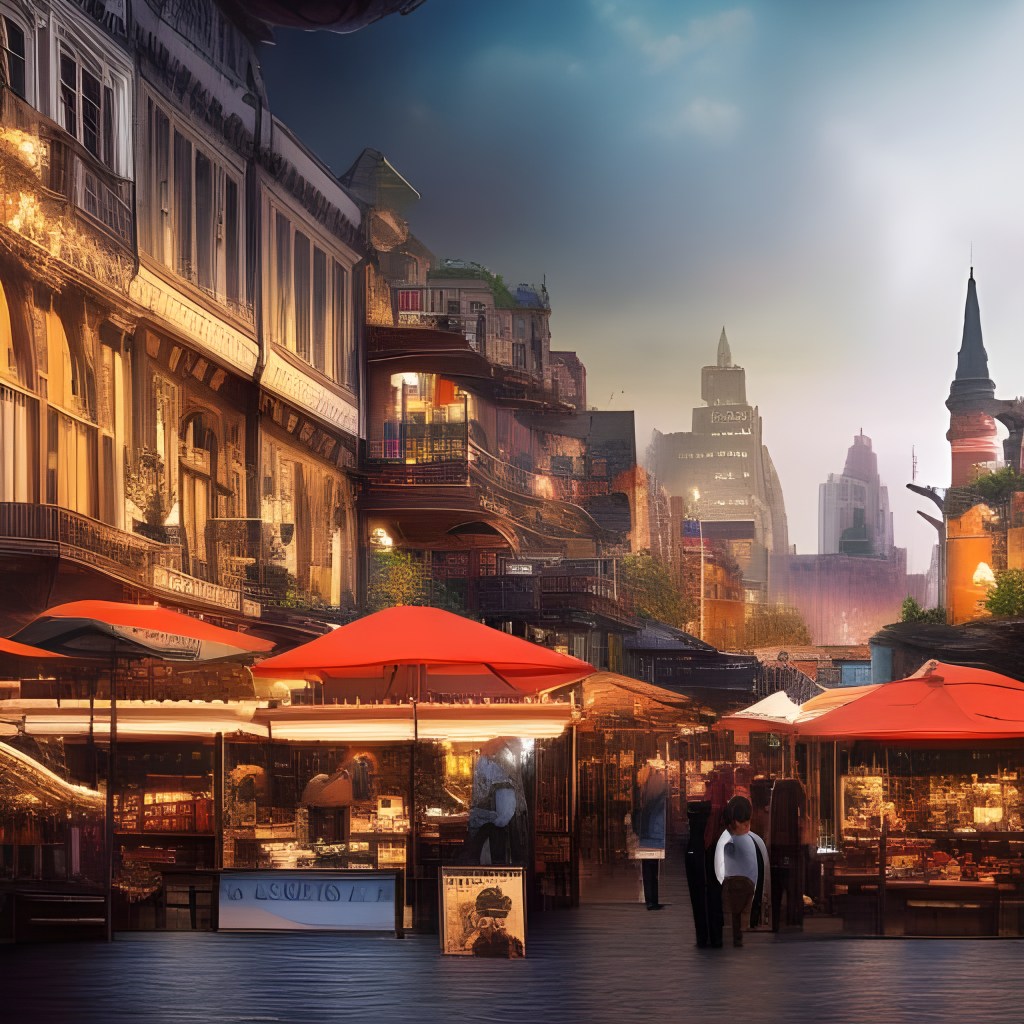
The second means of social order is the tax rates. Rook has the highest taxes of any city and their collection is pursued routinely. Inability to pay requires varying times and labors of public service. Refusal to pay results in deportation without review. Deportees that do not declare a point of return are sent to a specialized barracks house on Daughter Island.
Rook’s freer markets make it a destination for those with the means. No other city has as many fine restaurants, artisans’ markets, or design houses. There is a spectrum of entertainment and indulgences suited to the earliest morning or the latest night.
Read the stories here.


 The Normal Times
Leave a comment