
Like Rook Island, Rune City is another unique metropolis. While it was formerly the seat of House Dion, it has been run by a council table since the Good Revolution. Unlike Rook Island, the city’s governing is not autonomous. There are elections for council seats, but they occur every two years and the whole of the process is reviewed by the Directory. This is from nominations to outcome. There is no limit on how many terms one may serve, but they are not allowed consecutively.
Like Rook, the city also has less limitations of entry and exit. There is a border screening protocol, but these require only a visitor’s pass, something one can arrange for little cost at a travel office. Entry and exit is restricted for residency.
Rune City has an orphan’s history. Under the reign of House Dion its market center grew to enormous proportions. So large was it that it became an essential economic asset even into the post-revolution world. It had to be maintained, but House Dion was not the one to do it. Few houses faced as grueling a punishment as House Dion. The Directory even developed a framework for how they processed the crimes of the old families that included “the Dion Line”, based on the house’s misdeeds. Houses whose criminality was degrees worse than those that of House Dion were extinguished. House’s whose abuses were less than those of House Dion’s were moved on to the restructuring phase.
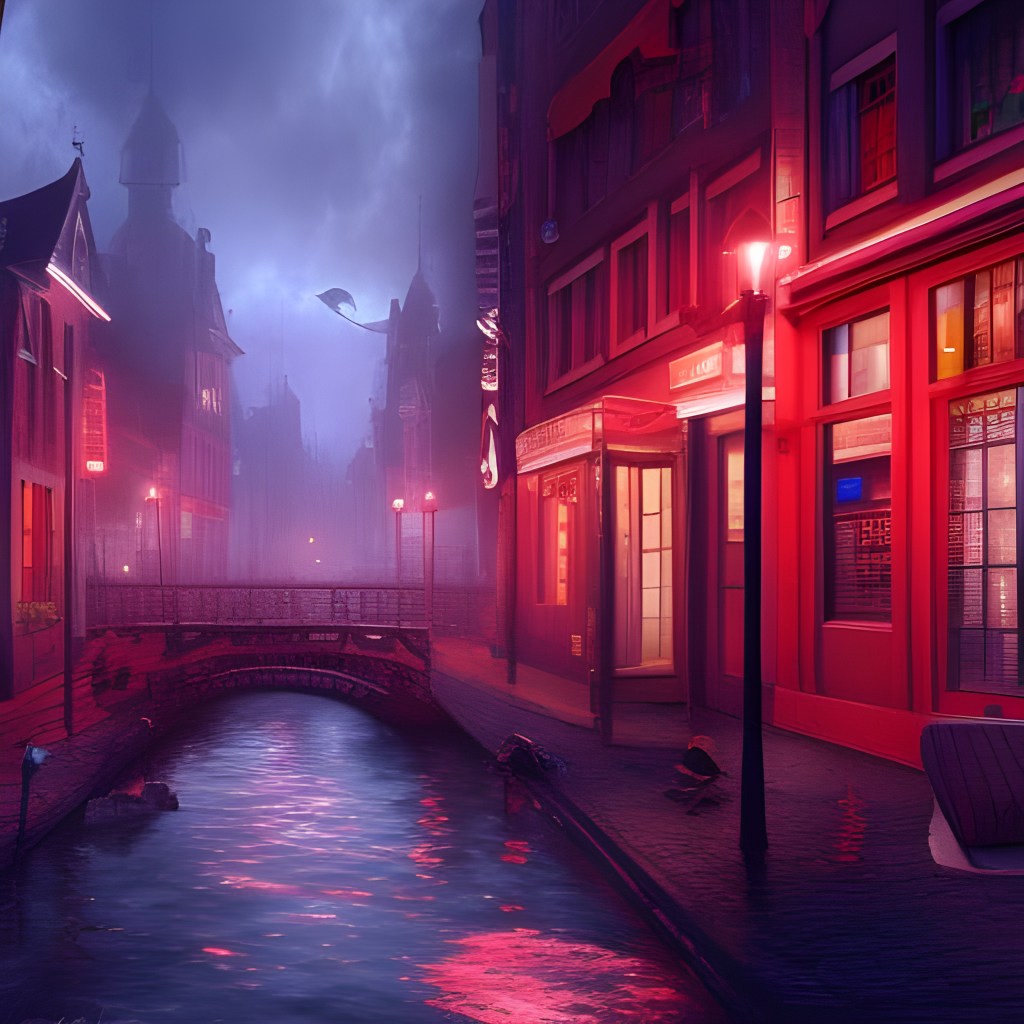
For all the ills of House Dion, no one who knows the city could ignore the evidence of its decline since their removal. In a few years large swathes of the city ghettoized or otherwise became slums. The market remains active, but only due to the costly leasing of Directory watchers. Those few areas where the most successful of the merchant’s reside are all that is left of the Highland splendor in the city. In the last decade the markets have had to increasingly compete for outsider financing with a growing, and illicit, red light district.
Read stories from this world here.


 The Normal Times
Leave a comment