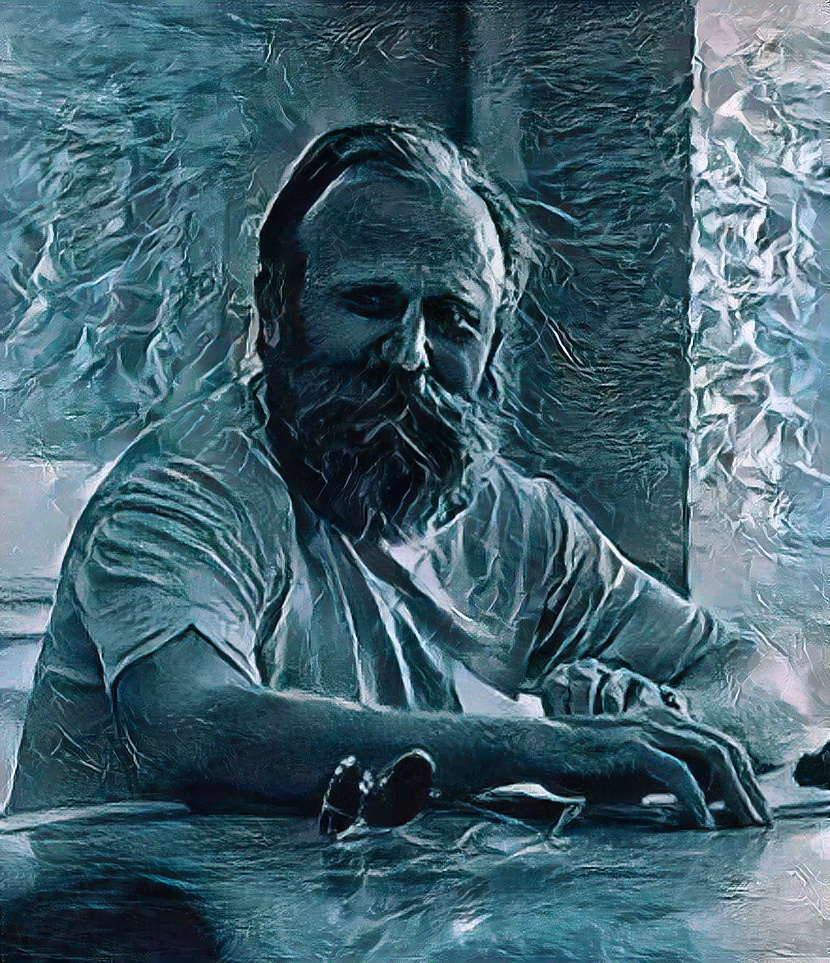
Frank Herbert was the author of sci-fi hit Dune and other nonsense.
Herbert was born in October 1920, year of the radio, to paupers in the bleak nowhere of Tacoma. Conditions of the Great Depression transferred his uprearing to some nearby relatives in Salem.
His early years read like a lifetime. He typed up a hoax of a resume at nineteen, lied about his age and got his first job on a newspaper. He married at twenty-one, had a kid at twenty-two, and got divorced at twenty-three. During his divorce he joined the Navy has a photographer, snapping eternal moments of World War 2. After a few months he got bonked on the head and was sent home, where he went back to writing for newspapers.
With plenty of life still ahead at twenty-six, he enrolled in college and found a fresh wife. In these scholarly years he picked up the dirty habit of writing for pulp magazines. He never graduated, he just sort of stopped going eventually.
After a couple more kids, he and the family moved down to California. There he somehow fell in with a circle of psychologists (Freud, Jung, Heidegger) who, at the time, were all going through a Zen Buddhism phase.
That was all life before thirty. It was until 1959, ten years after slumming it with Carl Jung, that he would start conceiving the idea of Dune. And it all came about because he got over-invested in a puff piece on the sand dunes of the Oregon coast. Incidentally, this was around the same time he became interested in the growing and eating of the funny mushrooms.
It took him six years to finish Dune, and it was rejected by almost twenty publishing houses. Analog Magazine picked up a few sections to serialize, but everyone else found it ghastly long. Everyone except for the CEO of Chilton Book Co. The company was once widely known as the maker of auto maintenance manuals, some may recognize their books from the car shop.
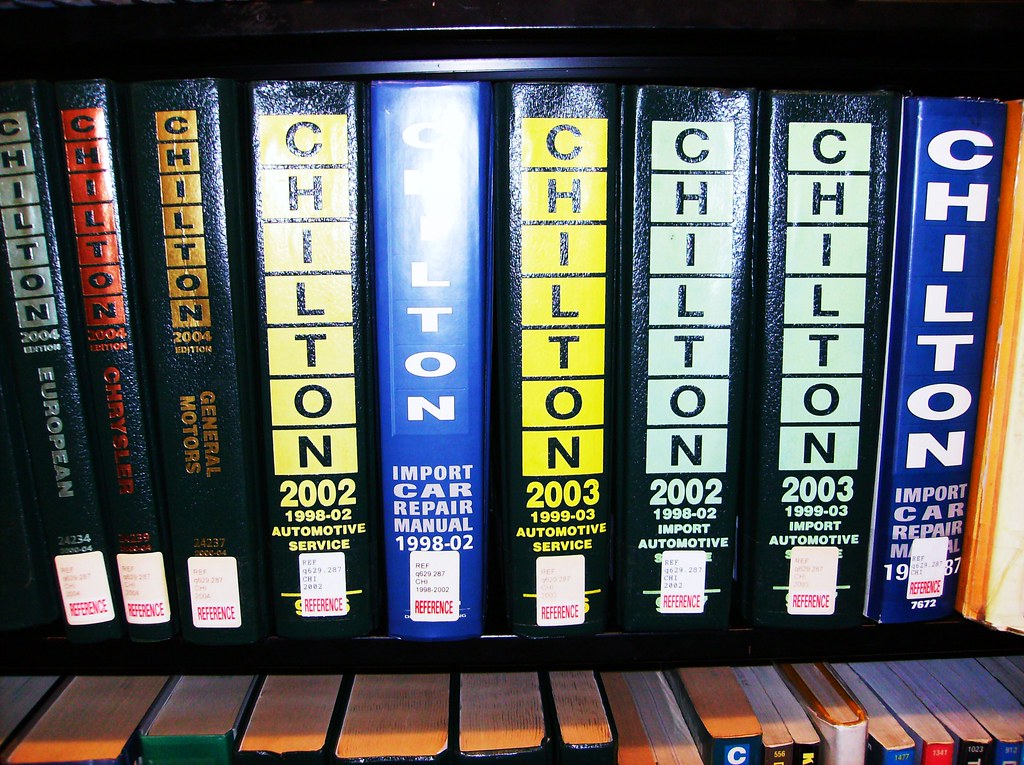
Chilton had never published fiction, or any fanciful literature, and Dune would be the only literary title in their long lifetime. The CEO apparently really liked what he’d read of the serialized stuff in Analog. And that’s all it took. The growth was slow, but seven years later Frank was able to retire from the world of print news and work on Dune full time. Which is unfortunate, because everything that came after Dune got progressively worse in coherence and quality.


 The Normal Times
Leave a comment