
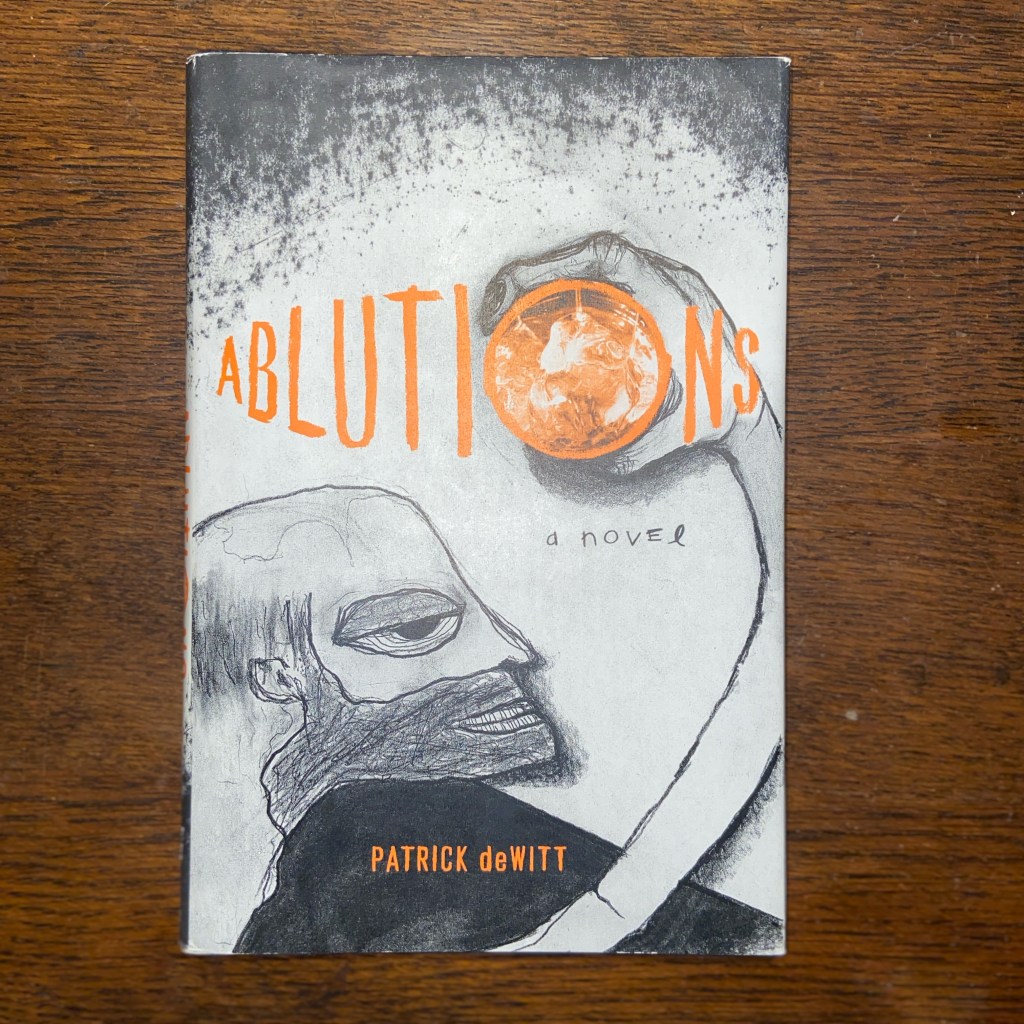
compiled and introduced by Robert Ford, 1998
Melancholy thoughts haunted me still. Painful as it was to me, yet I remember I tried as it were to make my thoughts still gloomier and more melancholy. You know people who are vain and not very clever have moments when the consciousness that they are miserable affords them positive satisfaction, and they even coquet with their misery for their own entertainment.
The older I get the more I appreciate a solid introduction section in literary fiction. With a good one I either gain some perspective on the author’s times, the way of the world that may have been weighing on the writer as they escaped into their fiction. Sometimes I only learn what equates to Fun Facts, like Flannery O’Connor keeping peacocks. Useless info, but I like knowing it. Had to give up on this one’s introduction though. I just couldn’t stand reading about the common experience most twenty-year-olds have if they’re assigned to read Chekhov at a school as if it was some revelation. As if it’s the lack of years that makes one Not Get It. I could be wrong, I’m just an e-janitor, but I always found the appeal of Chekhov was how much shit I didn’t have to overanalyze. It’s all out on the page, no need to kick off a manic episode looking for mentions of colors and horses and broken seashells. Every Chekhov story has at least one of two common elements. Irony is the most prevalent, I consider these his comedies. His tragedies usually have a couple traces of irony, but they also have some profoundly hollowing passage written so sharply that it makes you want to wallow around in existential sadness. The collection in this book has a good representation of what I consider these two majorly noticeable elements. And the compiler managed to pack a lot in, so I took short notes as I read along.
A Blunder
A one and a half page story that reads like a Monty Python skit. The joke absolutely lands.
A Misfortune
Two young enough people theatrically lament their forbidden relationship up and down a country estate. The man wails over a broken heart. The woman pouts over the loss of attention. Didn’t like this one that much, but it was fine.
A Trifle of Life
A young, rosy-cheeked rake gets stuck talking to his mistress’s lonely son.
Difficult People
This one’s probably relatable to people who grew up in rural areas and moved away. A boy goes on break from college to visit his family in the country and finds out his dad is still a cranky asshole.
Hush
A story-tellers story. An inside joke for other writers. I never like these. I also avoid movies about movies.
Champagne
One man works a lonely post at some hinterland train stop. Everything is grey and awful, and his wife is boring. But it’s New Years, and he’s got some champagne he’s saved all year, and his boring wife’s voluptuous aunt is stopping by. Frankly, no clue what else happened after they started drinking. The guy either gets abstractly, but abruptly killed, or he ends up wandering a street somewhere babbling about evil. But it’s got some really good lines in it.
In all nature there seemed to be a feeling of hopelessness and pain. The earth, like a ruined woman sitting alone in a dark room and trying not to think of the past, was brooding over memories of spring and summer and apathetically waiting for the inevitable winter.
Kashtanka
Story of a dog from the dog’s point of view. 10/10.
Neighbors
Young middle-class minx runs off with a broke old, (but land-owning) neighbor; her brother embarrasses himself after marching down there with his chest puffed only to end up meekly eating a bowl of strawberries his sister shoves on him.
Ward No. 6
One of the top stories in the collection. Centered around a dilapidated mental ward at a dirty hospital run by a self-indulgent doctor. The patients are the very pictures of depressing, but one of them is loudly philosophical. The lazy yet highly pretentious doctor takes an interest in this patient and starts showing up at the hospital every day. His friends and colleagues take the behavioral change as a sign of his own lunacy. Predictable ending, but it’s still funny.
You were naturally a flabby, lazy man, and so you have tried to arrange your life so that nothing should disturb you or make you move.
An Anonymous Story
Best of the bunch. A man born to the upper class uses a fake ID to get a job as a footman in another, more decadent aristocrat’s house in order to spy on him. This one is probably the saddest of the set and it ends bitterly.
Peasants and Gooseberries
Two separate stories that create a nice juxtaposition when read together. One shows the way of the peasant life, the other is that of the idealistic landowners. At the time of reading this collection, I am also reading a book about 20th-century Russia. That book begins with events of the latest of the 1800s and speed runs to the October Revolution. This Chekhov collection is made up of stories written in the 1880s and 1890s. Not quite two ships in the night, and there were certainly some context connections that came through. So many of Chekhov’s landscapes are blends of apathy, inertia, neuroticism, and existentially based depression. I may likely have read too much into it, but from Chekhov’s settings and sentiments, I got the feeling of a world gone stale. The people are not self-indulgent and harsh because of passion or anger, it’s just this feeling of nowhere else to go, nothing new to do. Clock in on time, tick off the number, show up to an appointment. You do it because you’re rearing built you for it, but you’re not building anything to be proud of. You’re getting paperwork done on time. You’re remembering to send someone the email attachment they asked for earlier. You drive home with a rage so concentrated and yet so uncontainable that it may have once possessed a French soldier following Jean d’Arc into the legend of Orleans. And we do nothing with it, because there’s nowhere to put it. All that’s left is to separately rage against each other behind our walls, windshields, and screens. Anyway…
The Darling
A quick story about a likable girl who spends her whole life either being widowed or virtuously abandoned.
The New Villa
This one could have been set on one of the middling peaks of West Virginia and it would read no differently. I once heard the statement, “Rural people are the same everywhere,” and considered it loosely accurate in terms of America. Maybe, broadly, and very unfairly broadly, rural people are the same everywhere in the world. I know I’m a different personality than I think myself when my garden gets damaged, and I can’t even grow enough to sustain a modern house.
There are two more stories, but I’ve read them to death already. The lady, her dog, extramarital affair, ironic ending. Writing about this collection now I notice where I really enjoyed my time reading (the middle) and where it started to feel like a chore. I feel this way by the end of every short story collection that is comprised of a single author. Eventually, you know every turn of the formula and all the fun has gone out of it.
Buy a copy here.


 The Normal Times
Leave a comment