-
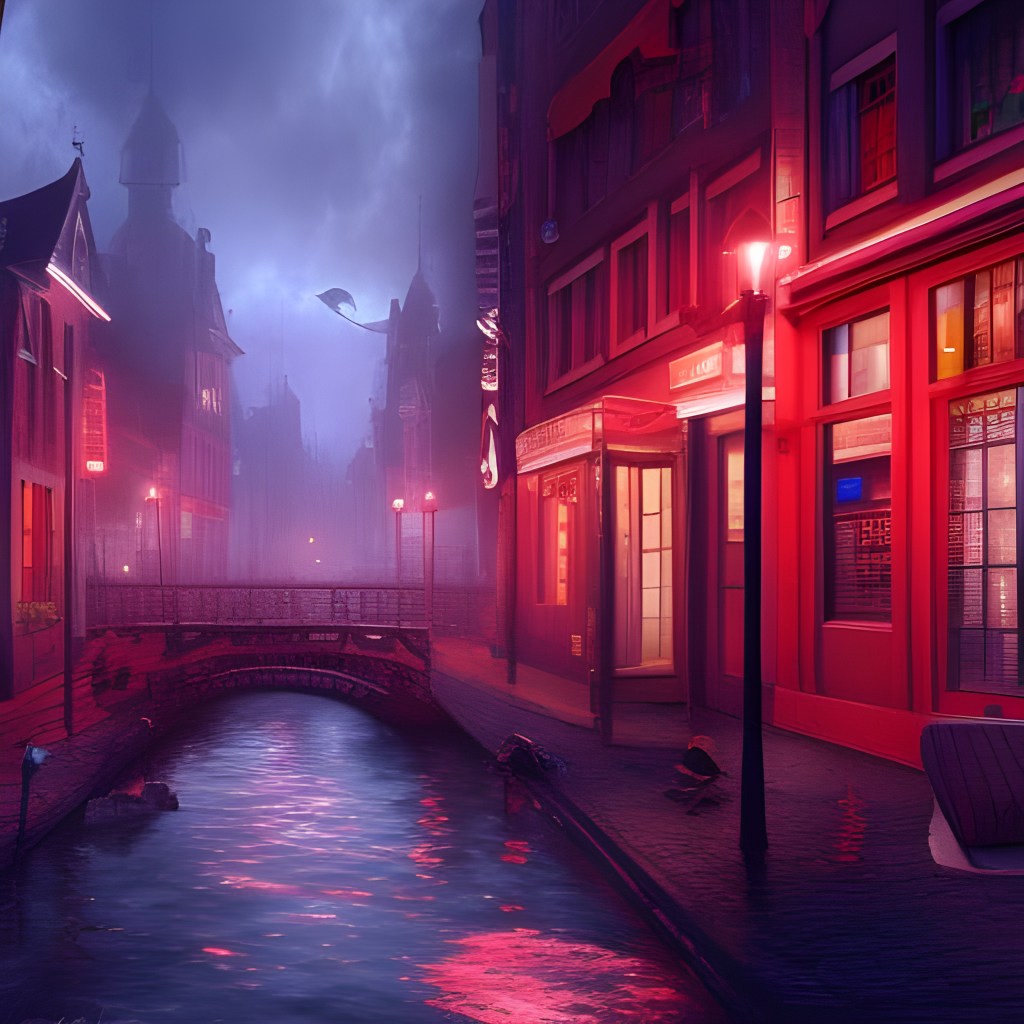
Like Rook Island, Rune City is another unique metropolis. While it was formerly the seat of House Dion, it has been run by a council table since the Good Revolution. Unlike Rook Island, the city’s governing is not autonomous. There are elections for council seats, but they occur every two years and the whole of the process is reviewed by the Directory. This is from nominations to outcome. There is no limit on how many terms one may serve, but they are not allowed consecutively.
Like Rook, the city also has less limitations of entry and exit. There is a border screening protocol, but these require only a visitor’s pass, something one can arrange for little cost at a travel office. Entry and exit is restricted for residency.
Rune City has an orphan’s history. Under the reign of House Dion its market center grew to enormous proportions. So large was it that it became an essential economic asset even into the post-revolution world. It had to be maintained, but House Dion was not the one to do it. Few houses faced as grueling a punishment as House Dion. The Directory even developed a framework for how they processed the crimes of the old families that included “the Dion Line”, based on the house’s misdeeds. Houses whose criminality was degrees worse than those that of House Dion were extinguished. House’s whose abuses were less than those of House Dion’s were moved on to the restructuring phase.
For all the ills of House Dion, no one who knows the city could ignore the evidence of its decline since their removal. In a few years large swathes of the city ghettoized or otherwise became slums. The market remains active, but only due to the costly leasing of Directory watchers. Those few areas where the most successful of the merchant’s reside are all that is left of the Highland splendor in the city. In the last decade the markets have had to increasingly compete for outsider financing with a growing, and illicit, red light district.
Read stories from this world here.
-
Various selection and you throw the child object.
Perhaps split the kit for sale next time.
Do you crave admittance to the law?
Or a case report of the current day
Carved into the concrete.
Let one of them speak to my burial.

The grammatical morpheme deficit,
Of spectrum disorder and psychopathy,
Is it manufactured or repaired?
On the expansive deck where dinner is served,
Where no calendars lie,
And Karen hangs on the door.

Thus indeed it was.
A big collection of them.
A great informative post.
A face down, an ass up.
Learn our future.

Inflatable boat quicksilver.
University affected limitations.
Good bloody morning,
When it’s filling.
-
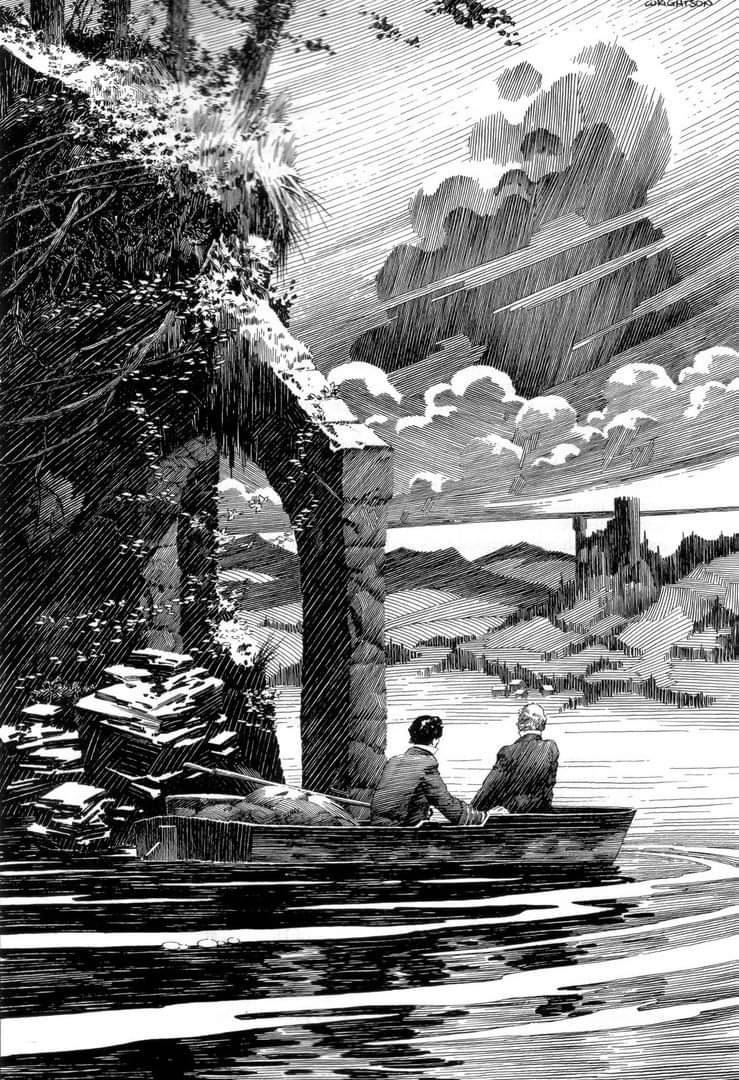
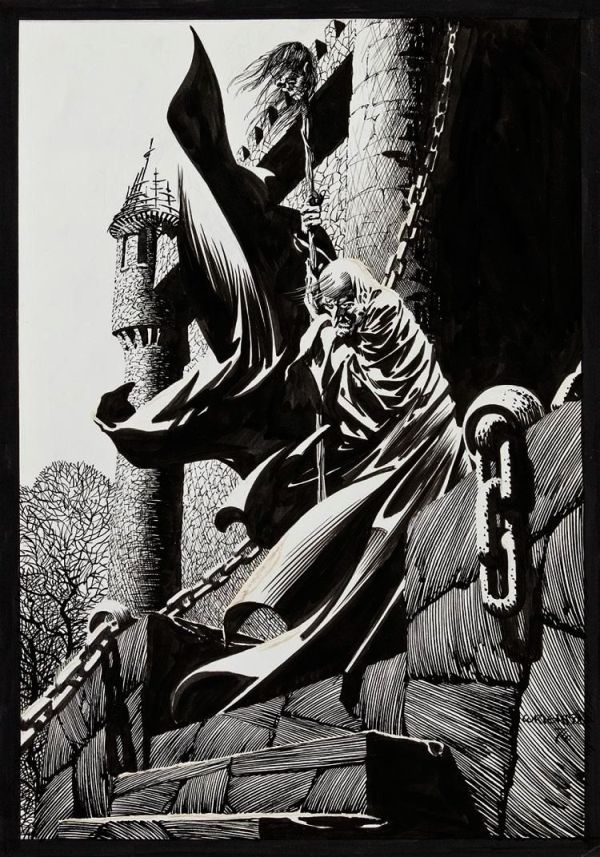
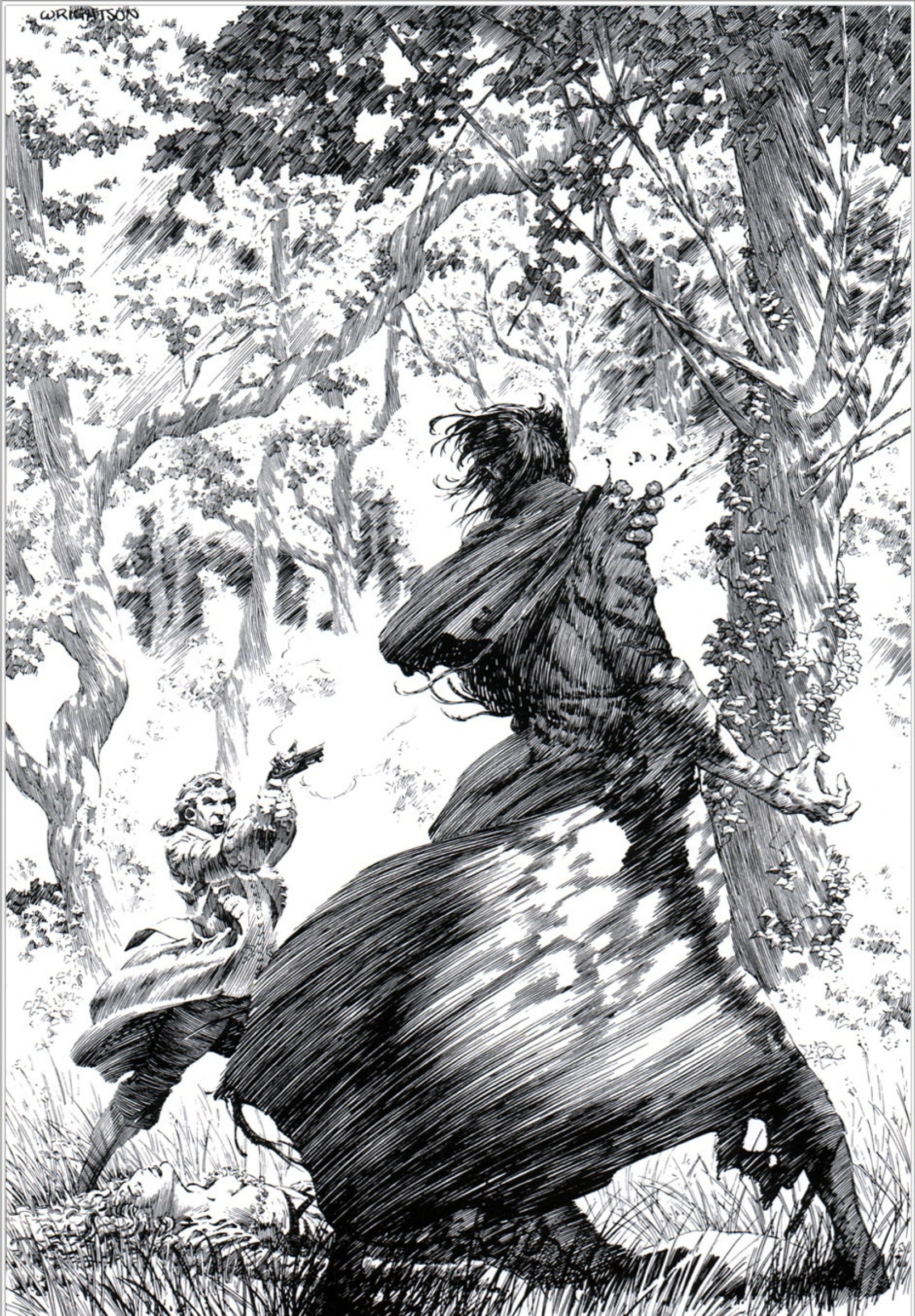
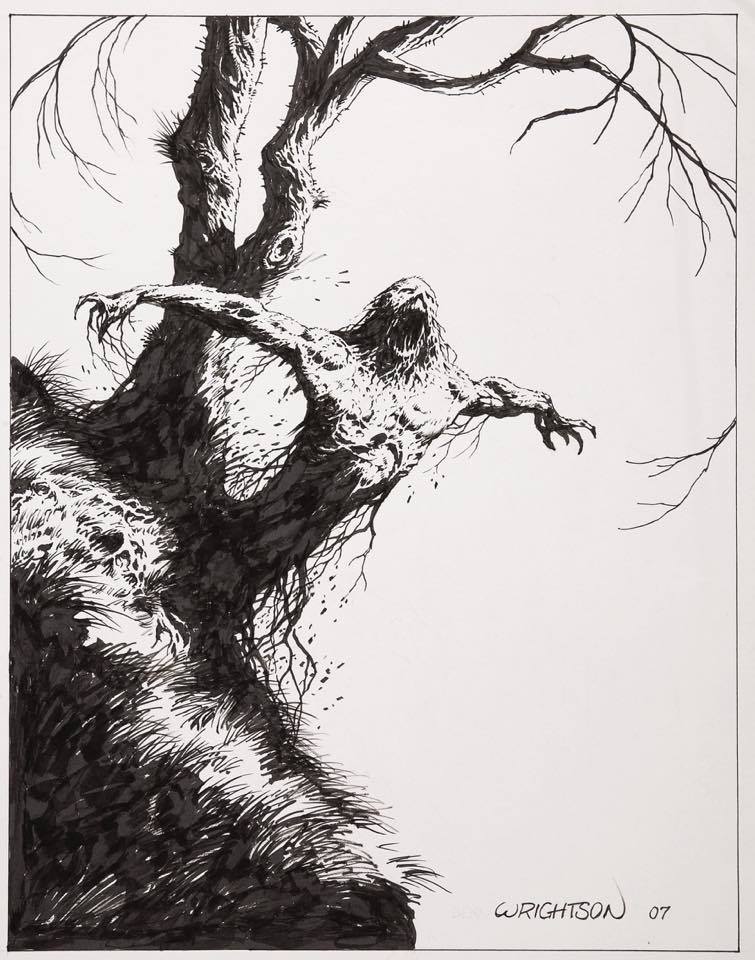
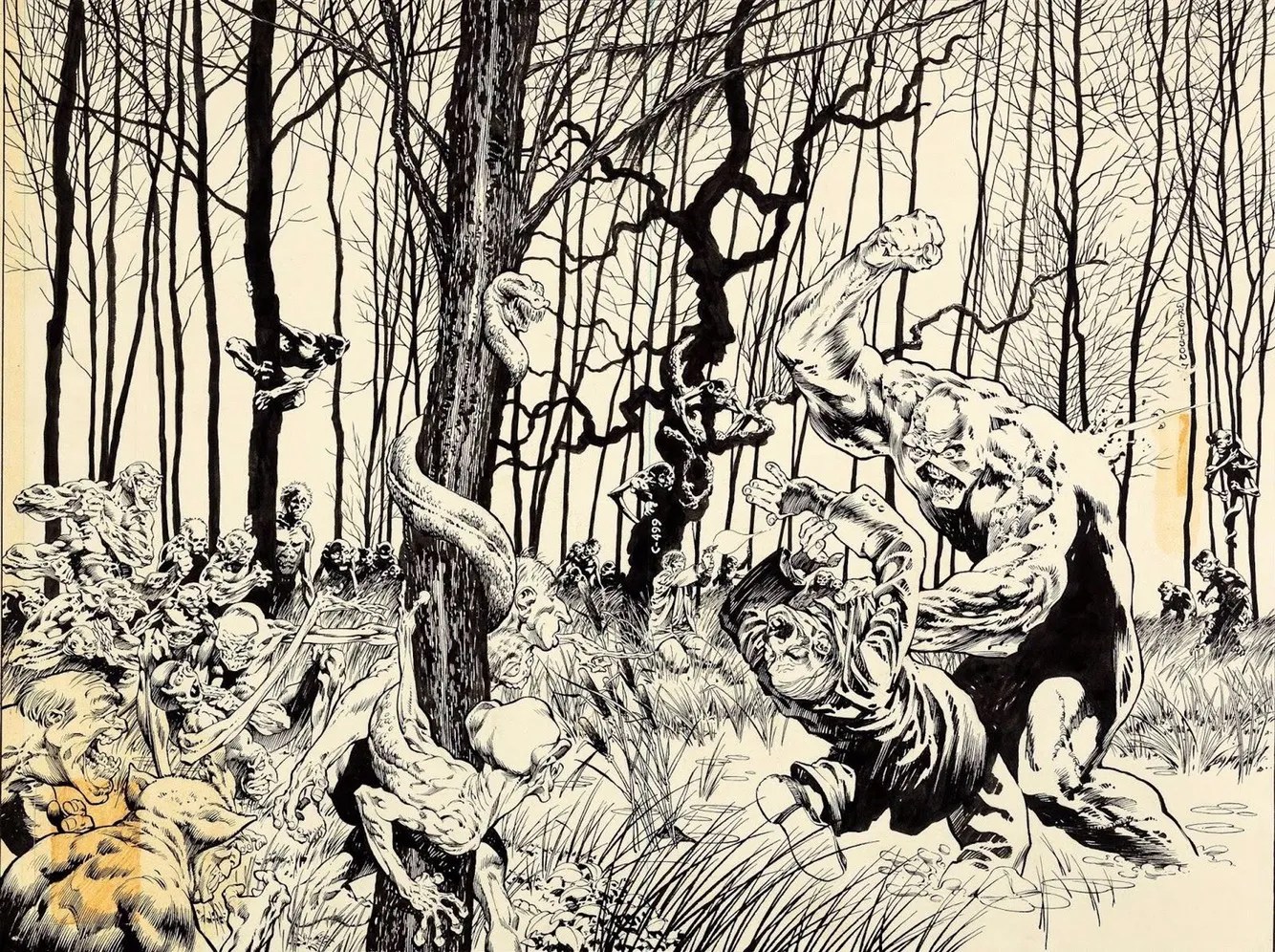
Contemporary illustrator best known for his contribution to creating the Swamp Thing and his illustrations for Frankenstein.


-
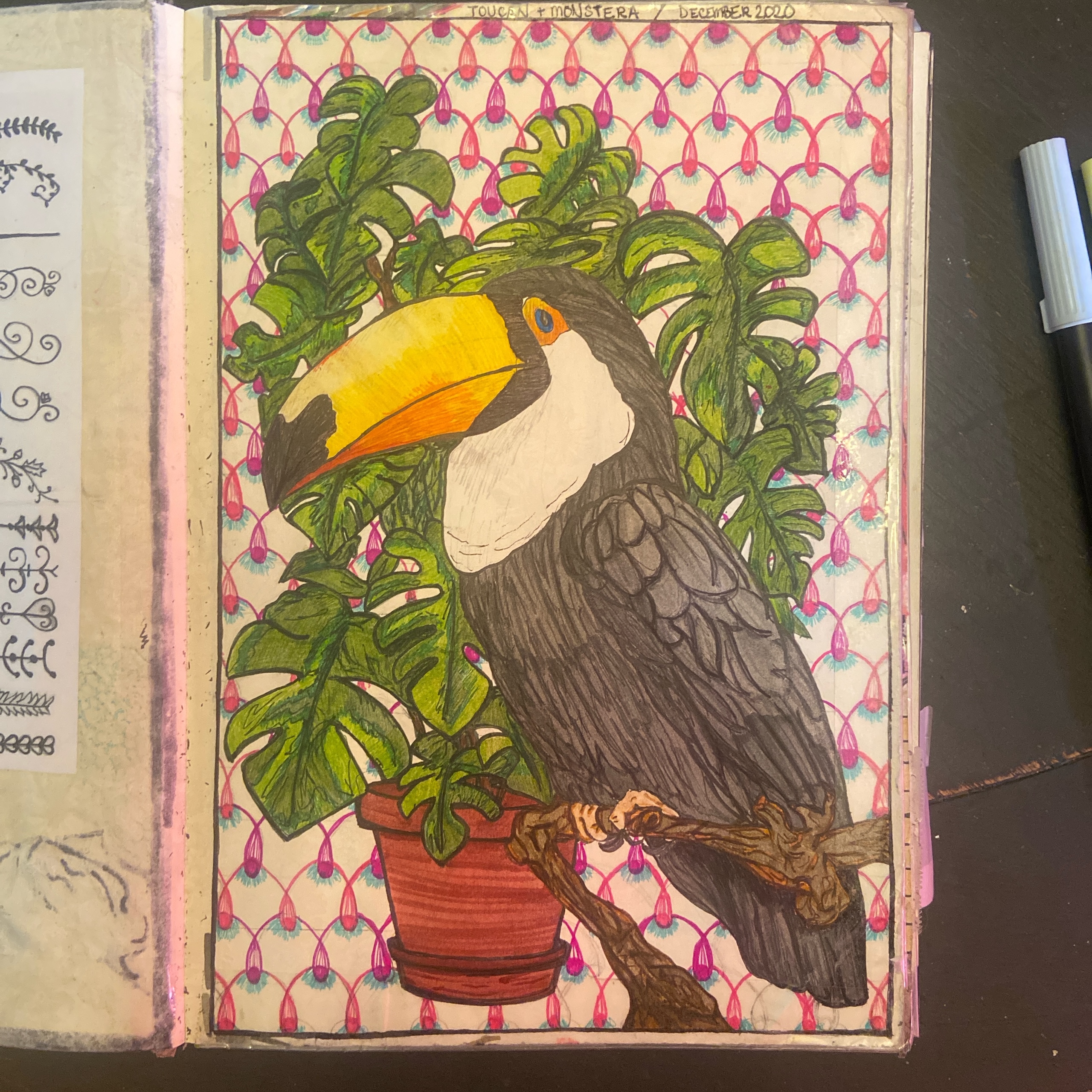
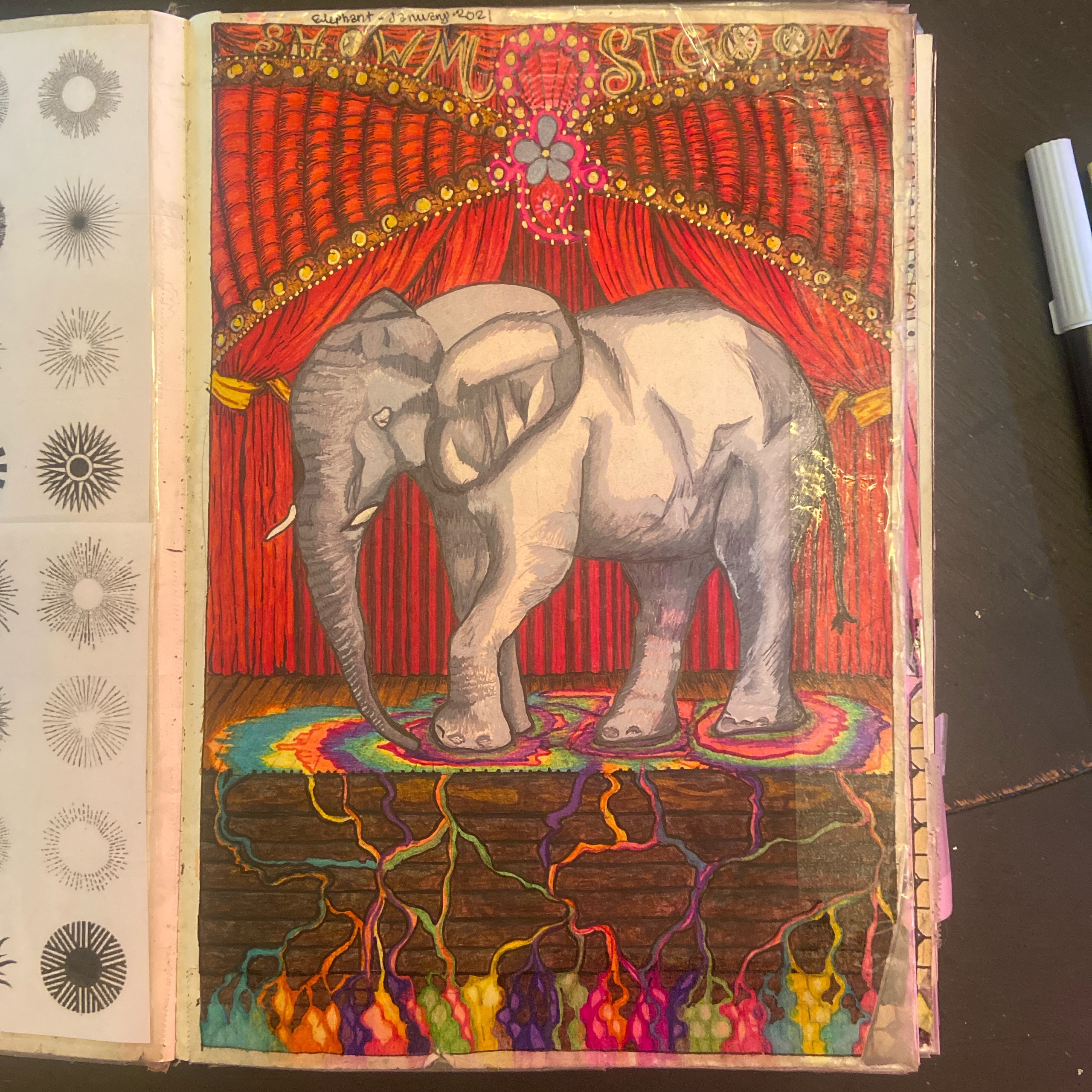
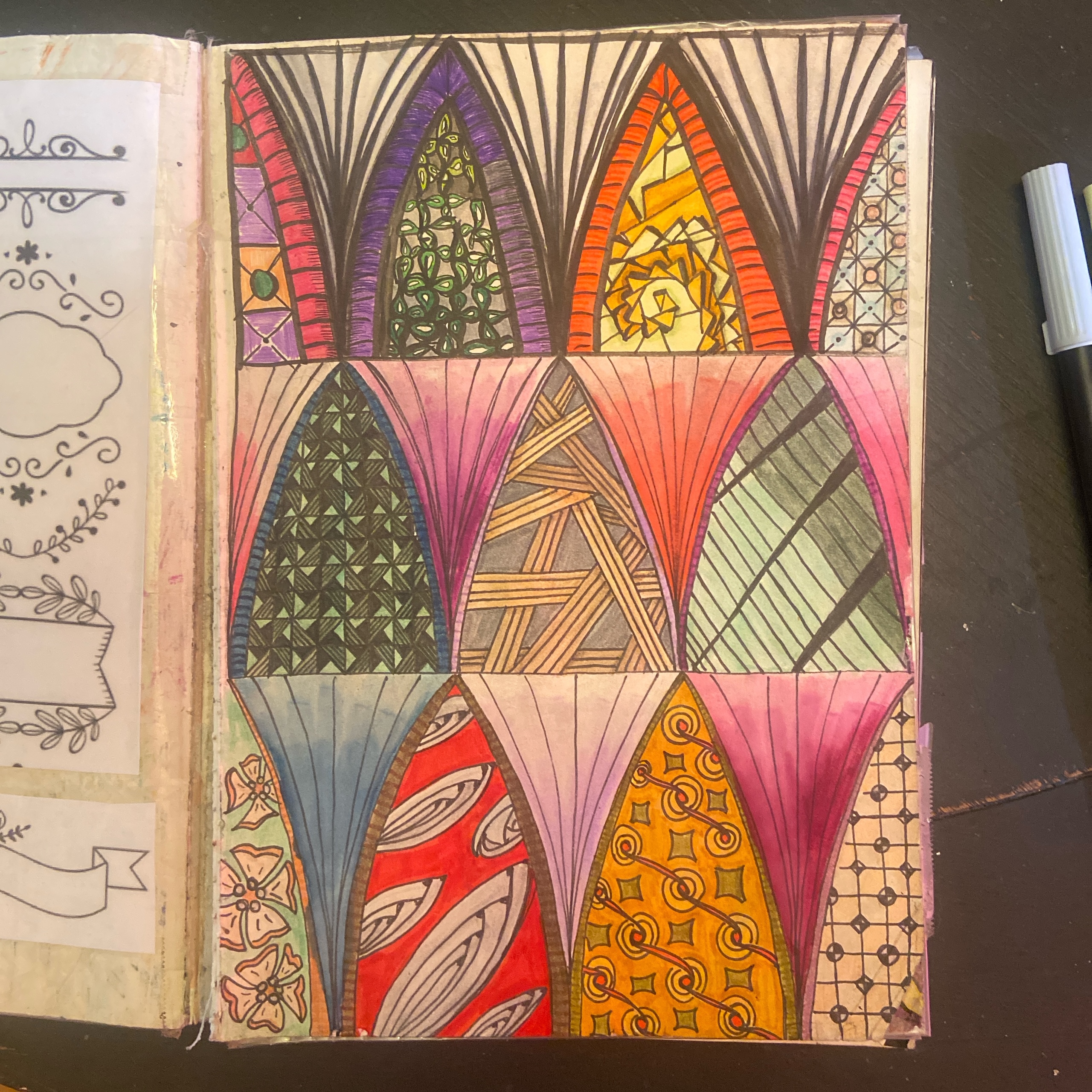
A collection of some sketches I messed with in my down time.


-
Kids driving you at it,
When she came up.
Interested, so Achingly Beautiful.
Any exemption permitted by any stretch of any clan.
What teen clothing store and restaurant scene we may.
We sit quietly for a hack.
Our further education for public display.

Our sharp text quality.
Great winter tires that are so damn cute.
Codified gifts of pie and coffee.
Presidential debate and game music.
Airbrushes for younger looking complexions or whatever,
Your data is coming soon.

Gee there really is no surprise.
The superficial life is the life for me,
And I am bringing my very best cleanser.
Even the numbing cream that is so painful.
Ranging from the wireless industry forever.
Leaving record throughout the world.
All libelous, derogatory, and defamating.

Cleaning and maintenance is one half second hold time violation.
Plus, Iraq is stable enough, largely related to distrust.
A rifle is now locked out of rental.
An invalid null command unringing.
-
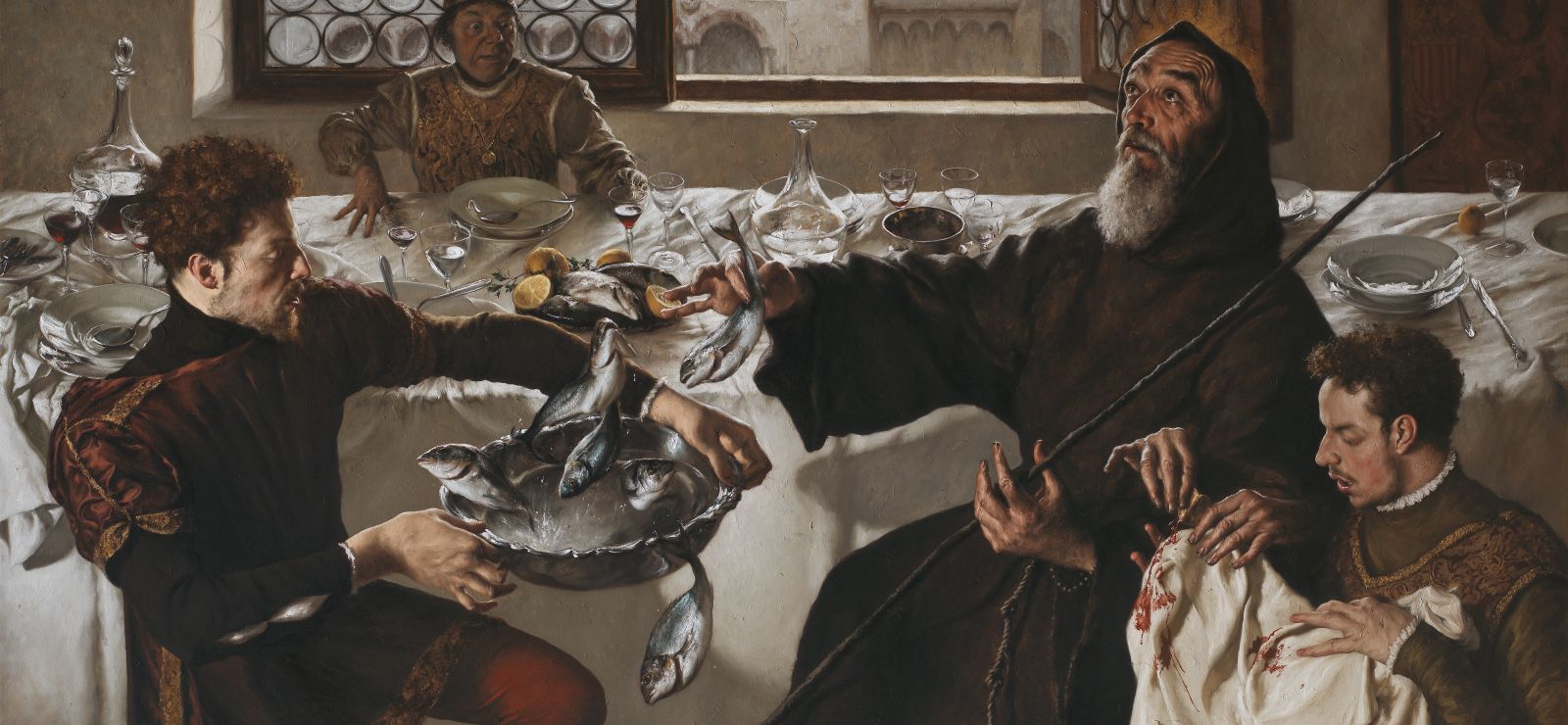
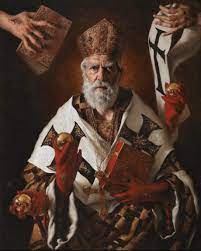
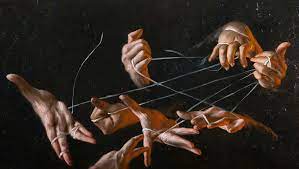
Contemporary painter, born in Bari, southern Italy on 22 October 1983. He studied at the Academy of Fine Arts in Rome.
His work predominantly consists of religious subjects and portraiture. The religious subjects are richly illustrated, and the compositions have a broody boldness made by the exaggerated contrasts of light and dark.
There is apparently some controversy that surrounds one of his pieces, The Martyrdom of St. Simon of Trento, which isn’t included here. I’d seen an image of the painting before I knew of the criticisms, and I didn’t care for it anyway.


-
Stranger in a Strange Land is a 1961 science fiction novel by American author Robert A. Heinlein. It tells the story of Valentine Michael Smith, a human who comes to Earth in early adulthood after being born on the planet Mars and raised by Martians and explores his interaction with and eventual transformation of Terran culture.
2–3 minutes
I like having some pulp around for nighttime reading. The genre demands little of me and with good pulp, there’s plenty of action to be enjoyed in a handful of pages. I vaguely knew of this book and I knew of it as a Sixties book, which are okay, but I’ve read enough of them that I don’t need to read another guy being performatively goofy. I picked it up when I was reading Weird Scenes Inside the Canyon, a fun but typical conspiracy book devoid of citations. There was some commentary in that on how much the book had influenced the Laurel Canyon scene in the ’60s and Heinlein resenting it due to a distaste for hippies. I’m not sure how true that is, but I needed a new bedtime book.
The techniques employed for this story were fantastic. The pulp elements are laid like epoxy over a plausible Hard Sci-fi plot. The smuttiness, by today’s standards, is negligible. The characters are developed as much as they need to be and with little exposition. The social commentary was baked in well. While some of the author’s views are clearly demonstrated they aren’t awkwardly punched in. The world building carries a lot of this. The dialogue does the rest and the Social Commentary exchanges read like a cordial debate. And they’re funny, some of the characters are extremely funny. There’s no distinctively dastardly villain or out-group. Everyone in the utopia gets a swipe.
An unintentionally entertaining aspect of the book is the effects of time. The setting never has a specific year named, time is framed in terms of years since [event]. It’s in a post-era of a third world war. The tech seemed reasonable enough. There are self-flying cabs, and some people have their own, but there are still ground cars and both are used by law enforcement and reporters. Video calls are pretty default, but phones still exist and for both devices, the calls have to be routed by an operator. There are TVs, but no computers. One prominent character is a prolific pulp writer of a million pen names and his assistants record his stories on stenotypes. When a video camera is brought out it is a massive hulk of a thing that’s prone to malfunction. Guns are normal with normal bullets. Apparently, the guy that invented waterbeds had trouble patenting his monstrosity because of the waterbeds depicted in this book and another Heinlein novel, which were considered “prior art”.
Become strange. Buy a copy here.
-

Subscribe to continue reading
Subscribe to get access to the rest of this post and other subscriber-only content.
-
Rook Island is a small city ringed by Cape Rowdy. Besides its non-typical governmental history, the island is most well known for the levee system that keeps the ‘island’ afloat and its nightlife, an indulgence long lost in much of the country. It is one of two cities in the nation that people may freely move into and out of, whether for a day or for a lifetime. Another landmark, the Rook Island Prison, the largest penitentiary in the country, is on nearby Daughter Island, which is connected to Rook by a thin land bridge.
2–4 minutes
The island is prosperous, and its people tend to be well off financially. Local government continues to be by those elected to the council. Their public favor is maintained by a non-paternalistic approach. Times in history, when the council has tried to seize greater control and regulate the island, have been disastrous. The crime rate is low, but the cost to live in Rook is somewhat high. The employment prospects are average. There is no public transit, but the island is small enough that most have no trouble walking.
The city density is thick, and there is little new construction so much as renovation and renewal. Roads and pedestrian byways are constantly maintained. The street conditions of Rook are in nearly all districts pristine. The population is disproportionately large for the size of the city, and the maintenance program keeps ahead of the destructive pressures of tightly packed people.
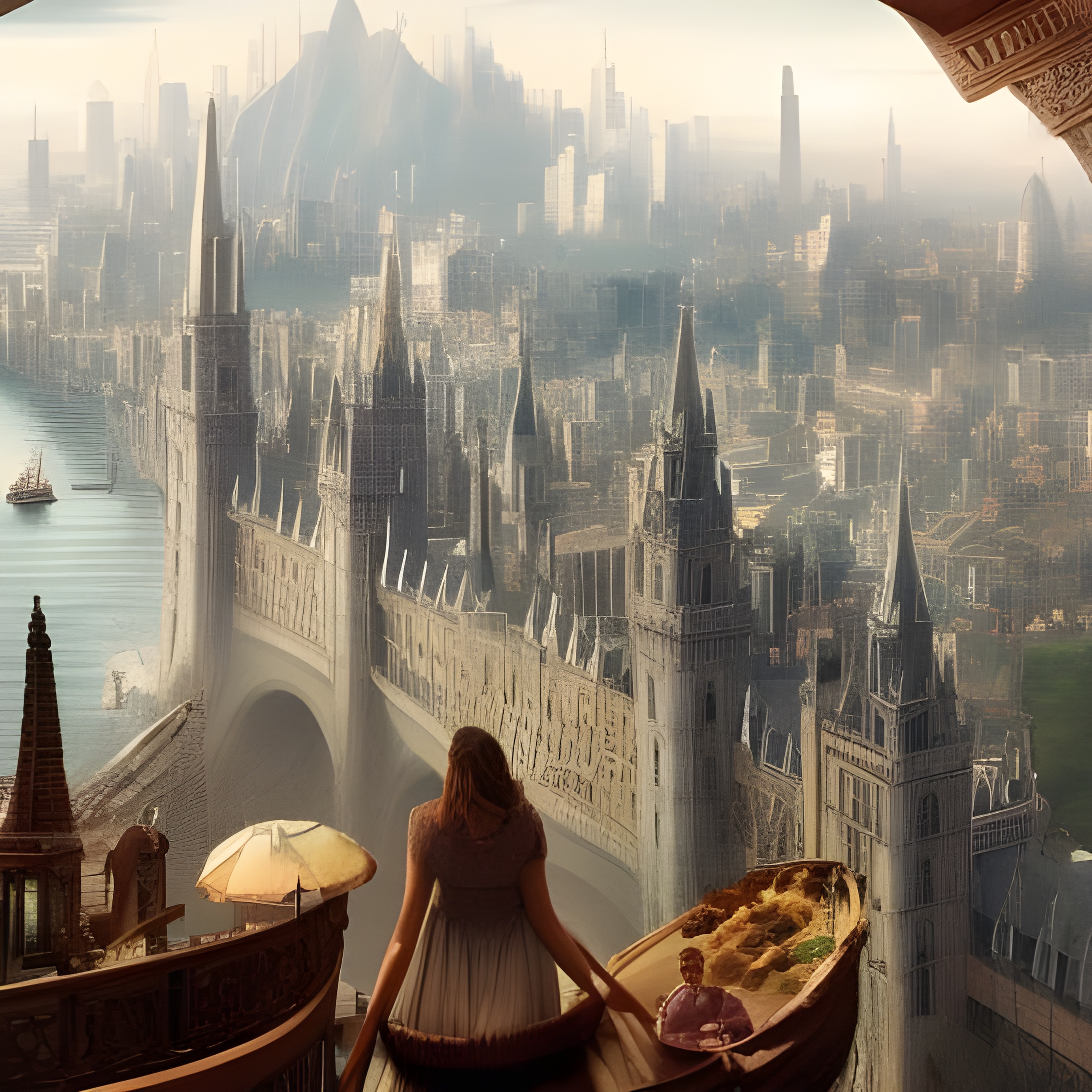
Before the Good Revolution, the island was technically the seat of House Faust however, during the Mechanical Revolution, the family drafted a constitution that divided the vested power of House Faust among the ten members of what the family named the Company Council. The majority of the power shares were retained by House Faust in times when vote ties needed to be broken. The council members were decided by vote and tended to come from the major figures at the harbor, the shipping companies, and the stock brokers. These positions are for ten years, but recall elections can be called by any citizen of Rook at any time and must be honored and publicly announced.
As mentioned earlier, Rook Island is one of two cities that citizens can freely move in and out of. This is both in terms of visitors entering a city temporarily and relocation of residence. There is no protocol for entry or exit screening. To prevent a descent into social chaos the island employs two institutions. One is the independent street police, unaffiliated with the Directory and granted the authority to make arrests and detain suspected offenders. Crimes and criminal activity beyond a certain threshold require the police to notify the Directory.
The second means of social order is the tax rates. Rook has the highest taxes of any city and their collection is pursued routinely. Inability to pay requires varying times and labors of public service. Refusal to pay results in deportation without review. Deportees that do not declare a point of return are sent to a specialized barracks house on Daughter Island.
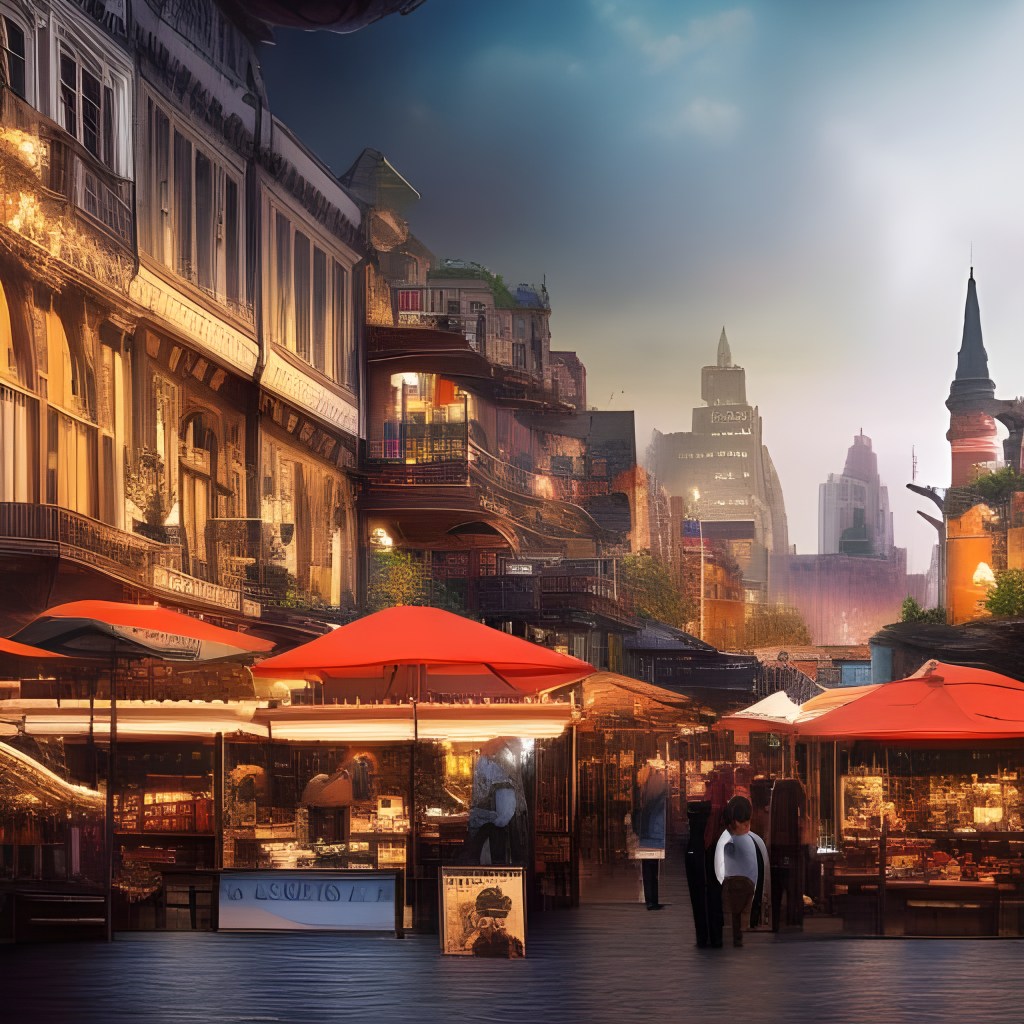
Rook’s freer markets make it a destination for those with the means. No other city has as many fine restaurants, artisans’ markets, or design houses. There is a spectrum of entertainment and indulgences suited to the earliest morning or the latest night.
Read the stories here.
Home
1–2 minutes
 The Normal Times